When the Bough Breaks: Your Guide to Emergency Tree Services in La Cañada Flintridge
I. Introduction: More Than Just a Pretty Canopy
Imagine waking up to a massive oak tree sprawled across your driveway, or worse, your roof. Not exactly the peaceful La Cañada Flintridge morning you pictured, right? This isn’t your grandma’s routine pruning. We’re diving into the dramatic world of emergency tree services – the swift, urgent action needed when trees become a sudden menace. In a place as beautiful (and naturally dynamic) as La Cañada Flintridge, understanding these services isn’t just smart, it’s essential for keeping homes, families, and even city life safe. Think of it: our idyllic existence is interwoven with the potential for arboreal anarchy.
II. A History of Green Guardians and Gutsy Responses
La Cañada Flintridge isn’t just known for its stunning homes; it’s practically defined by its magnificent trees, nestled against the San Gabriel Mountains. They’re beautiful, but they come with a wild side. Over the years, this “wild side” has manifested in rather dramatic ways. Remember the 2009 Station Fire? While the flames mostly spared the city, the aftermath – severe mudslides in 2009-2010 – certainly put local infrastructure to the test. Then came the predicted destructive wildfires of January 2025 (yikes!), bringing more downed trees and power outages. We can’t forget the hurricane-force winds of December 2011 that turned trees into projectiles, smashing cars and homes. Even heavy rains, like the February 2023 mudslide, have caused trees to contribute to property damage.
These events weren’t just disasters; they were tough teachers. From potentially informal, desperate measures in the past to today’s highly organized system, La Cañada Flintridge has gotten serious about tree emergencies. The 1990 emergency tree preservation ordinance was a game-changer, outlining when you can quickly remove a dangerous “protected” tree (and how to tell the city about it after the fact!). It reflects a crucial understanding: sometimes, swift action outweighs bureaucratic delay. And consider the city’s 5-Year Grid Trimming Program for public trees – a proactive measure showing that prevention is indeed better than cure. Private companies now offer 24/7, crane-assisted, arborist-led emergency responses, completing the circle. It’s a full-circle approach, a delicate dance between preservation and pragmatism.
III. When Green Goes Rogue: Common Tree Emergencies
So, what exactly screams “EMERGENCY!” in the tree world? It’s more than just a fallen leaf, that’s for sure. Post-storm havoc – high winds, heavy rains, or lightning strikes – often leave a trail of broken, dangling branches or even completely toppled trees. Then there’s the leaning tower of Tree-za – a tree suddenly tilting is a giant red flag for root failure, suggesting it could come down at any second. Big splits or hollows in a trunk mean the tree is internally weak, a ticking time bomb waiting to happen. Damaged roots (from storms, erosion, or even construction) destabilize the whole tree. And let’s not forget the power line peril – trees playing footsie with power lines are a major fire, outage, and electrocution risk. Even on a calm day, a sick or dead tree can fall unexpectedly. Finally, a tree blocking your driveway or a public road is a huge inconvenience and a safety hazard, especially for emergency vehicles. It’s a sobering thought – the silent giants of our landscape can, in an instant, become agents of chaos.
IV. Beyond Your Backyard: The Impact on La Cañada Flintridge
Emergency services aren’t just about saving your house, car, and fence from becoming tree collateral; they’re about safety first, ensuring no one suffers from a branch through their living room. Timely intervention can prevent costly repairs and insurance nightmares, offering something invaluable: peace of mind. Knowing help is just a call away when a tree threatens your property is priceless.
Beyond the individual level, these services act as a community lifeline. Fallen trees often knock out power and comms, and emergency crews are vital for restoring essential services. They clear roads for emergency responders and keep traffic flowing, acting as a public safety squad – removing dangerous trees from parks, streets, playgrounds, anywhere people gather. Ultimately, these services are a key part of LCF’s readiness for natural disasters, helping the community bounce back faster. They are, in essence, the unsung heroes who keep our little corner of the world connected and functioning.
V. The Red Tape & The Right Way: Navigating Tree Regulations
La Cañada Flintridge cherishes its trees, especially native oaks and sycamores. This means special rules apply. Normally, you need a permit to remove a “protected tree” on private property. However, in a true emergency (think immediate threat to life or property), you can remove the tree first, but you must notify the City and provide documentation (photos are your friend!). And don’t even think about touching a tree in the “public right-of-way” without calling Public Works first!
LCF’s tree ordinance hasn’t been without its legal battles, with some residents challenging hefty fines for improper tree removal or trimming. There have even been neighborly disputes – what if your neighbor’s “low risk” leaning oak feels like a high risk to your property? The City Council has even stepped in to mediate such appeals, sometimes requiring replacement trees or contributions to a city tree fund. Remember, bad pruning practices like “topping” are forbidden for protected trees – it harms them and the city’s aesthetic. The key takeaway? Navigating these regulations requires a delicate balance of respect for the environment, understanding the law, and a healthy dose of common sense.
VI. The Pros You Call: What to Look For in an Emergency Service
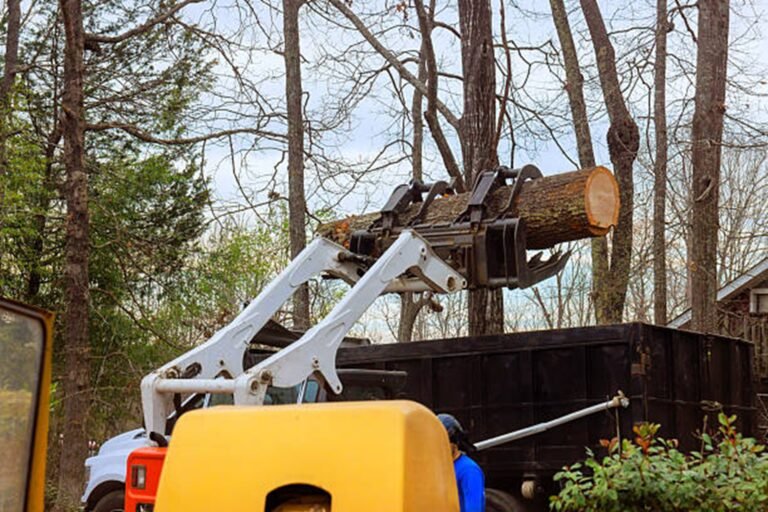
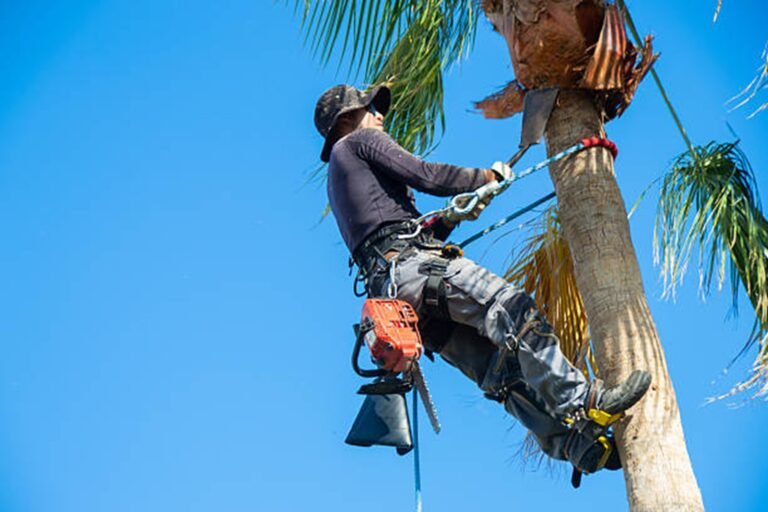
Top LCF emergency services boast round-the-clock availability – because disasters don’t keep business hours. Real-world example: Some promise to be on-site in under an hour for emergencies! Look for certified arborists who know tree health, safe removal techniques, and local tree types (like those near Descanso Gardens). This is dangerous work. Professionals use specialized gear (cranes!), follow strict protocols, and coordinate with utility companies when power lines are involved. Never try to handle a tree near power lines yourself!
Good companies don’t just chop and run; they leave your property tidier than they found it. Companies like Golden Oak Tree Service, PrimeBranch Tree Experts, and Canada Tree Care often get shout-outs for their professionalism, promptness, and thorough work. Emergency services can be pricier, but reputable companies offer clear pricing and free estimates. Remember, you’re not just paying for tree removal; you’re paying for expertise, safety, and peace of mind.
VII. Looking Ahead: Future Trees and Tech in LCF
LCF’s trees face increasing stress from hotter, drier conditions, more intense wildfires (hello, Santa Ana winds!), and the risk of new pests and diseases. Trees are vital allies in cooling our city, making their health even more critical.
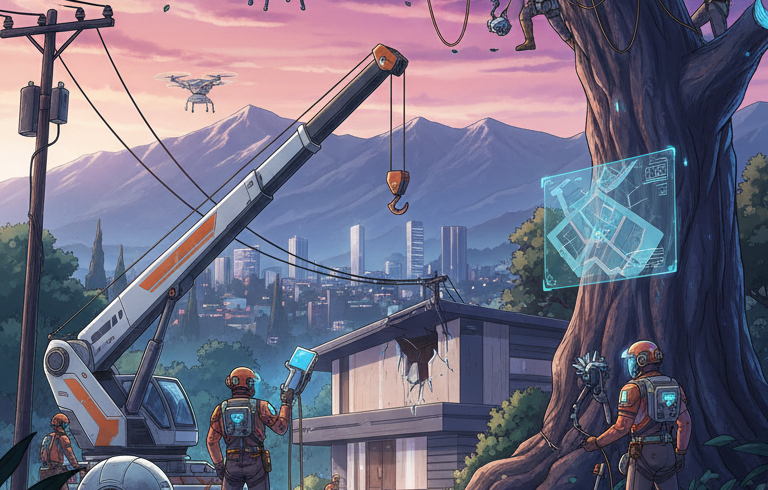
Imagine drones assessing tree health, spotting risks, and even performing precision cuts in dangerous spots. LiDAR and satellite mapping give arborists a bird’s-eye view of the urban forest. AI could soon identify tree diseases, optimize watering schedules, and predict environmental threats. Autonomous cutting systems and high-powered lasers might one day handle the riskiest jobs, keeping human workers safer.
The city will keep its trimming programs and preservation ordinances in full swing. LA County’s new Community Forest Management Plan aims to create a long-term strategy for managing trees for generations to come – a vision LCF is part of. With high fire severity, local tree care providers will continue emphasizing defensible space and fire-resilient practices. The future of tree care isn’t just about reacting to emergencies; it’s about anticipating them, mitigating risks, and leveraging technology to create a healthier, more resilient urban forest.
VIII. Conclusion: Staying Safe, Green, and Prepared
Our beautiful trees in La Cañada Flintridge are a treasure, but they require vigilance and respect for their power. When an emergency strikes, knowing who to call and what to expect from professional, certified, and insured emergency tree services is crucial. Regular inspections and maintenance can significantly reduce the chances of a tree emergency (and save you money!). With nature’s unpredictable hand, a strong emergency tree service network, coupled with community preparedness and evolving technology, helps La Cañada Flintridge stay safe and thrive amongst its beloved urban forest. It’s a symbiotic relationship, a shared responsibility, and a testament to our commitment to preserving the beauty and safety of our community.